Top rated commercial cleaning near Biggin Hill Airport
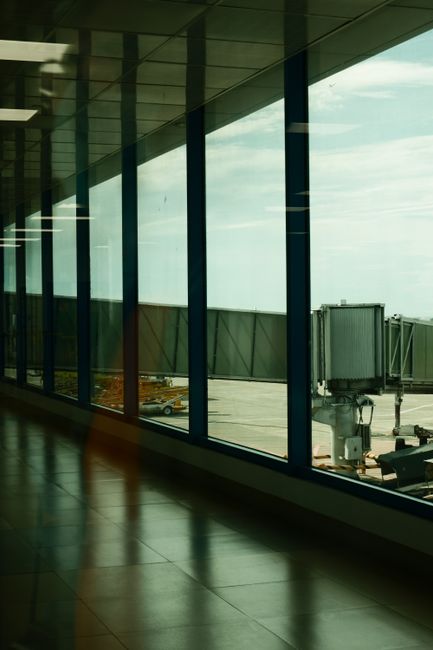
If you run a workplace near Biggin Hill Airport, you already know that cleaning is never just about looking tidy. It is about first impressions, hygiene, staff comfort, and keeping the day moving without disruption. That is why people searching for Top rated commercial cleaning near Biggin Hill Airport are usually after something more practical than a quick surface clean. They want a service that feels dependable, flexible, and genuinely suited to a busy commercial environment.
Whether you manage an office, a reception area, a shared workspace, a hospitality venue, or a property that sees regular footfall, the cleaning standard needs to hold up under pressure. Dust in corners, stained carpets, dull upholstery, and lingering odours are small issues individually. Together, they send the wrong message. In this guide, we will walk through what quality commercial cleaning should include, how to choose it, and what to expect from a service that is built around real-world business needs.
We will also cover practical next steps, common mistakes, and the kind of details that separate a decent cleaning provider from one you can actually rely on. Let's face it, that difference matters.
- Why it matters
- How it works
- Benefits and advantages
- Who it is for
- Step-by-step guidance
- Expert tips
- Mistakes to avoid
- Tools and recommendations
- Compliance and best practice
- Options and comparison
- Real-world example
- Checklist
- Conclusion
- Frequently asked questions
Why Top rated commercial cleaning near Biggin Hill Airport Matters
Commercial spaces near an airport tend to have a rhythm of their own. People arrive at different times, deliveries come and go, and the pace can shift quickly. A cleaning plan that works for a quiet office in theory may fall apart in practice if the building has heavy daily use, visitors, or mixed flooring types. So the real value of commercial cleaning is not just cleanliness. It is operational steadiness.
When a workplace is cleaned well, people notice even if they do not comment on it. The air feels fresher. The carpets do not look tired. Shared areas feel calmer. In a practical sense, that can support morale, reduce complaints, and make client-facing areas feel more professional. In our experience, this is especially noticeable in entrances, meeting rooms, stairwells, and breakout spaces, the places where impressions are formed quickly.
There is also a simple risk-management angle. Dirt is not always obvious at first. It builds up quietly in fibres, around skirting boards, under furniture, and in upholstery. That slow build-up can shorten the life of your fixtures and fittings. A sensible cleaning plan is often cheaper than a reactive one. Truth be told, that is where many businesses learn the hard way.
If your business has carpets or upholstered seating, you may find it helpful to look at a specialist option such as commercial carpet cleaning alongside broader premises care. That combination tends to give better results than treating floors as an afterthought.
How Top rated commercial cleaning near Biggin Hill Airport Works
A good commercial cleaning service starts by understanding the site, not by guessing. The first visit or survey should identify what type of premises you have, how many people use it, which surfaces need attention, and which cleaning methods are suitable. A compact office with a few carpeted rooms needs a very different approach from a public-facing premises with frequent visitors, moisture at the entrance, and mixed fabric furnishings.
Most professional cleaning plans follow a simple logic:
- Assessment: identify materials, traffic levels, stains, odours, and risk areas.
- Specification: decide which areas need routine cleaning and which need periodic deep cleaning.
- Method selection: choose the right technique for carpets, upholstery, fabric blinds, or hard surfaces.
- Scheduling: set a time that fits around staff, customers, and site access.
- Quality check: review the result and address anything missed.
The method itself depends on the space. Steam-based approaches are often used where deeper fibre cleaning is needed, especially for carpets. Meanwhile, fabric furnishings may require upholstery care that protects the material while lifting embedded dirt. A smart provider will not push one method for everything. That is usually a red flag, to be honest.
For businesses with textiles across the site, services like steam carpet cleaning, upholstery cleaning, and curtain cleaning can be part of a more complete plan. If there are stubborn marks or spillages, targeted stain removal may also be needed.
Key Benefits and Practical Advantages
There are plenty of obvious benefits to commercial cleaning, but the best ones are the practical ones that show up in everyday operations.
- Better first impressions: visitors see a cared-for business, not a place that feels overlooked.
- Improved hygiene: regular cleaning helps reduce grime, residue, and allergens that build up over time.
- Longer life for furnishings: carpets, sofas, rugs, and curtains last longer when maintained properly.
- Less disruption: a planned cleaning schedule is easier to manage than emergency cleaning after a spill or complaint.
- More consistent standards: you are not relying on a quick tidy-up before clients arrive.
- Better staff experience: people work differently in a space that feels looked after. Simple as that.
There is another advantage that often gets missed: confidence. If your team knows the premises are well maintained, they do not have to worry about awkward odours, visible marks, or tired-looking furniture when a client comes in unexpectedly. That quiet confidence is worth a lot.
For businesses with mixed soft furnishings, it can make sense to pair floor care with sofa cleaning or rug cleaning. These are small details, but they add up fast in reception areas and meeting spaces.
Who This Is For and When It Makes Sense
This kind of service is not only for large offices. In fact, some of the most obvious gains come from smaller workplaces that have to look sharp every day without a huge facilities team.
Commercial cleaning near Biggin Hill Airport makes sense for:
- offices and administrative buildings
- reception-led businesses
- small professional practices
- shared workspaces and serviced offices
- showrooms and customer-facing units
- hospitality spaces with soft furnishings
- property managers and landlords preparing business premises
- sites that need periodic deep cleaning rather than daily housekeeping alone
It also makes sense after busy trading periods, refurbishment, staff changes, or a run of bad weather. Mud, damp footwear, and airborne dust do not exactly ask permission before they settle in. You will notice the difference most in high-traffic corridors, entrances, and communal areas.
If the job includes specialist fabrics or isolated problem spots, it can be sensible to consider related services such as carpet cleaning, pet stain and odour removal where relevant, or mattress cleaning for business accommodation or staff housing situations. Not every site needs all of these, of course, but the option matters.
Step-by-Step Guidance
If you are planning commercial cleaning for the first time, or changing provider, a structured process keeps things calm. Here is the cleanest way to approach it.
- Walk the site
Start with the spaces people see first. Look at entrances, meeting rooms, desks, waiting areas, stairs, and washroom-adjacent zones. Ask yourself what looks dull, what smells stale, and where marks keep returning. - List the priority surfaces
Carpets, upholstery, rugs, curtains, and spot-clean areas should all be identified clearly. If one room has fabric chairs and another has hard seating, the treatment will differ. That sounds obvious, but it often gets missed. - Separate routine from deep cleaning
Not everything should be cleaned the same way or at the same frequency. Litter removal and vacuuming may be routine. Deep fibre cleaning or upholstery treatment may be monthly, quarterly, or ad hoc. - Choose appropriate methods
Match the process to the material. Steam cleaning may suit some carpets, while delicate upholstery needs a more careful touch. A good provider should explain why a method is being recommended. - Agree the timing
Cleaning near a busy site should fit around access, working hours, and any customer visits. Early mornings, evenings, or off-peak slots can reduce disruption. - Confirm the standard of finish
Ask what a completed job should look like. A quality result is not just "done"; it is visibly improved, evenly treated, and safe to walk on or use after drying. - Review and maintain
After the job, note what improved and what still needs attention. That record helps the next clean go smoother. And usually it does.
One useful habit: take photos before the first clean. Not for drama, just for reference. It helps both sides stay aligned about what "good" looks like.
Expert Tips for Better Results
After years of seeing what works and what does not, a few habits stand out.
1. Treat entrances as pressure points. The first metre or two inside a building often collects the most dirt. Mats help, yes, but the surrounding carpet still needs proper care.
2. Do not wait for visible damage. By the time a stain looks serious, it has usually settled in. Faster treatment gives better outcomes, especially on fabric.
3. Separate surface freshness from deep cleaning. Vacuuming and dusting make a place look presentable. Deep cleaning gives it a proper reset. Both matter, but they are not the same thing.
4. Ask about insurance and process. A reputable provider should be able to explain how they work and how they handle site safety. Pages such as insurance and safety and the company's health and safety policy are worth reviewing before you commit.
5. Keep a small log. Note recurring spills, difficult rooms, and high-use periods. It sounds a bit old-school, but it helps. A simple note on your phone can save time later.
6. Ask for practical aftercare advice. Drying times, light foot traffic guidance, and stain-response tips are all part of a proper service, not extras.
If your cleaning provider can also explain pricing clearly, you are in safer hands. Transparent quoting is often a sign of a provider that understands commercial work properly, which is why pages like pricing and quotes can be useful when comparing options.
Common Mistakes to Avoid
Commercial cleaning problems often come from planning mistakes rather than poor effort. Here are the ones that show up most often.
- Choosing only on price. Cheap can be expensive later if the result fades quickly or the work is patchy.
- Ignoring fabric-specific care. Curtains, sofas, and upholstery are not interchangeable. Neither are all carpets.
- Booking at the wrong time. A great clean is much less useful if it clashes with customers, deliveries, or meetings.
- Assuming one visit solves everything. Heavy-use premises need a maintenance plan, not a one-off rescue.
- Skipping a site review. Every building has quirks. Stairs, ventilation, access, and sensitive surfaces all matter.
- Not checking terms and payment conditions. A few minutes spent on the practical details can prevent a frustrating surprise later. The pages for terms and conditions and payment and security exist for a reason.
Another common issue? Expecting every stain to vanish instantly. Sometimes it does. Sometimes it improves a great deal but does not disappear completely, especially if it has been there a long time or has already been set by heat or repeated foot traffic. That is just the honest version.
Tools, Resources and Recommendations
You do not need to be a cleaning specialist to make better decisions. A few simple tools and reference points will help you ask better questions and get better service.
- A site checklist: note floors, fabrics, access points, and problem areas.
- Photo records: useful for comparing before and after, especially in recurring problem rooms.
- Usage notes: track which areas are busiest and when.
- Cleaning schedule: separate regular upkeep from periodic deep cleaning.
- Service notes: keep copies of quotes, agreed timings, and aftercare guidance.
From a service point of view, it is often wise to think in layers. Floor care, upholstery care, and stain treatment are all distinct. The best results usually come from combining the right services rather than forcing one method to do everything. For example, a reception area may benefit from commercial carpet cleaning plus upholstery cleaning, while a more compact office might only need targeted treatment a few times a year.
If sustainability matters to your business, it is also worth checking a provider's approach to waste and materials. A page like recycling and sustainability can give a better sense of how the business thinks about responsible operations. Not flashy, but important.
Law, Compliance, Standards, or Best Practice
Commercial cleaning in the UK is not just about appearance. It also touches on practical workplace duties, safe access, and responsible handling of equipment and cleaning products. You do not need to become a compliance expert, but you should expect a provider to work in a safe, organised, and sensible way.
At minimum, a professional cleaner should be able to explain:
- how they reduce slip risks during and after cleaning
- how they protect furniture, flooring, and electrical items
- how they manage restricted access areas
- what happens if a surface reacts badly to treatment
- how they communicate drying times and aftercare
Where relevant, businesses should also consider their own internal procedures for visitor safety, staff access, and any site-specific rules. If your premises have a reception team, a landlord, or multiple tenants, those small coordination points matter more than people think.
It is also sensible to check insurance status and service terms before work begins. That may sound cautious, but it is just standard good practice. The same goes for complaint handling. A clear route for issues, like a published complaints procedure, is a sign that a company takes service quality seriously.
Options, Methods, or Comparison Table
Not every business needs the same type of clean. Here is a simple comparison to help you think clearly.
| Option | Best for | Strengths | Watch-outs |
|---|---|---|---|
| Routine janitorial cleaning | Daily tidiness and basic upkeep | Good for consistency and visible order | Usually not enough for embedded dirt or fabric stains |
| Deep commercial cleaning | Periodic reset of shared areas | Improves hygiene and presentation | May need planning around downtime |
| Commercial carpet cleaning | High-traffic floor areas | Targets grime in fibres and improves appearance | Drying time and access need to be managed |
| Upholstery and fabric care | Chairs, sofas, waiting areas | Helps remove build-up and refreshes seating | Fabric type must be checked first |
| Spot and stain treatment | Isolated spills or marks | Fast response can prevent permanent damage | Older stains may not disappear fully |
The main point is simple: choose the least aggressive method that can still do the job properly. That tends to protect surfaces and give a more even finish. If you are unsure, ask for a brief explanation of the method and why it suits the material. A good answer should make sense in plain English.
Case Study or Real-World Example
Picture a small business premises near Biggin Hill Airport with a compact reception area, two meeting rooms, and a corridor that sees constant foot traffic. The space looks fine at a glance. But by late afternoon, the front carpet has a grey cast to it, the visitor chairs feel a bit tired, and one corner of the meeting room has a lingering coffee mark that no one wants to talk about.
The business decides to arrange a proper commercial clean rather than keeping up with patchy spot work. The cleaner walks the site first, notes the traffic pattern, checks the fabric on the seating, and flags that the entrance area needs the most attention. The carpets are treated, the upholstery is refreshed, and the old mark is lifted as far as the fabric allows. A few hours later, the room feels different. Brighter. Less worn. More controlled.
Nothing dramatic. No miracle. Just a much better working environment.
What mattered most in that scenario was not some fancy trick. It was planning, the right method, and realistic expectations. That is often the difference between "cleaned" and properly maintained.
Practical Checklist
Before you book any commercial cleaning service, run through this checklist.
- Have you identified all key areas, including entrances and meeting rooms?
- Do you know which surfaces need routine care and which need deep cleaning?
- Have you checked the type of carpet, fabric, or upholstery in each area?
- Have you asked about drying times and access restrictions?
- Do you understand what is included in the quote?
- Have you reviewed insurance, safety, and complaint handling information?
- Do you know how the work will fit around your business hours?
- Have you agreed what a successful result should look like?
- Are stain-prone areas being treated promptly rather than left to build up?
- Have you kept a simple record for next time?
When all of those boxes are ticked, the whole process becomes much easier. Less friction. Fewer surprises. Better results.
Conclusion
Finding Top rated commercial cleaning near Biggin Hill Airport is really about finding a service that understands business realities: tight schedules, mixed materials, high footfall, and the need to make a good impression without constant disruption. The best providers do not just clean what is obvious. They help protect the condition of the space, support a better working atmosphere, and give you one less thing to worry about.
If you focus on method, trust, and fit for purpose rather than chasing the lowest price, you are far more likely to get a result that lasts. That is the sensible route, and in most cases, the cheaper route over time too.
If you are ready to compare options, request a clear quote, ask about the cleaning plan, and make sure the service is suited to your premises rather than squeezed into a generic template. Little things matter here. They really do.
Get a free quote today and see how much you can save.
And if you are still weighing things up, that is fine too. A good decision made calmly is usually the best one.
Frequently Asked Questions
What does commercial cleaning near Biggin Hill Airport usually include?
It usually covers a mix of routine upkeep and deeper cleaning for carpets, upholstery, shared areas, and high-traffic spaces. The exact scope depends on your premises, how busy it is, and what materials need care.
How often should a business book commercial cleaning?
That depends on use. Busy customer-facing sites often need more frequent attention than small offices. A lot of businesses use a routine schedule for visible areas and book deeper cleans periodically.
Is steam cleaning suitable for all carpets?
Not always. Steam cleaning can be effective, but the carpet fibre, backing, and current condition all matter. A good cleaner will check suitability before using any method.
Can commercial cleaning remove old stains?
Sometimes it can improve them a great deal, and sometimes it can remove them fully. Very old or heat-set stains may not disappear completely, so it is best to keep expectations realistic.
What should I ask before booking a cleaner?
Ask what is included, how long the work will take, what method they will use, whether they are insured, how drying works, and whether they have clear terms and a complaints procedure.
Does commercial cleaning disrupt business operations?
It does not have to. Many jobs can be scheduled early, late, or during quieter periods. The key is planning access and timing properly from the start.
What is the difference between commercial cleaning and commercial carpet cleaning?
Commercial cleaning is the broader service covering overall premises care. Commercial carpet cleaning focuses specifically on floor textiles, especially in high-traffic areas where dirt builds up in fibres.
Are upholstery and sofa cleaning important in business premises?
Yes, especially in reception areas, waiting rooms, and meeting spaces. Upholstered furniture collects dust and marks faster than many people realise, and it can shape the feel of the whole room.
How do I know if a cleaning quote is fair?
A fair quote should explain the work clearly, outline what is included, and avoid vague wording. If the price seems unusually low, it is worth asking what has been left out.
Should I choose a provider based only on reviews or price?
Neither alone is enough. Look at clarity, scope, safety, insurance, and whether the service actually fits your site. Price matters, yes, but it should not be the only thing.
What if my business has sensitive fabrics or specialist materials?
Then the cleaner should inspect them first and recommend a suitable method. Sensitive fabrics are not the place for guesswork, and a careful approach matters more than speed.
Why is aftercare important after commercial cleaning?
Aftercare helps protect the result. Drying times, foot traffic guidance, and stain-response advice all make a difference, especially in active workplaces where people are moving through the space all day.
Helpful pages to review while planning your clean include about the company, pricing and quotes, and contact details when you are ready to take the next step.