Bromley Council rules for bulky cleaning waste in Biggin Hill
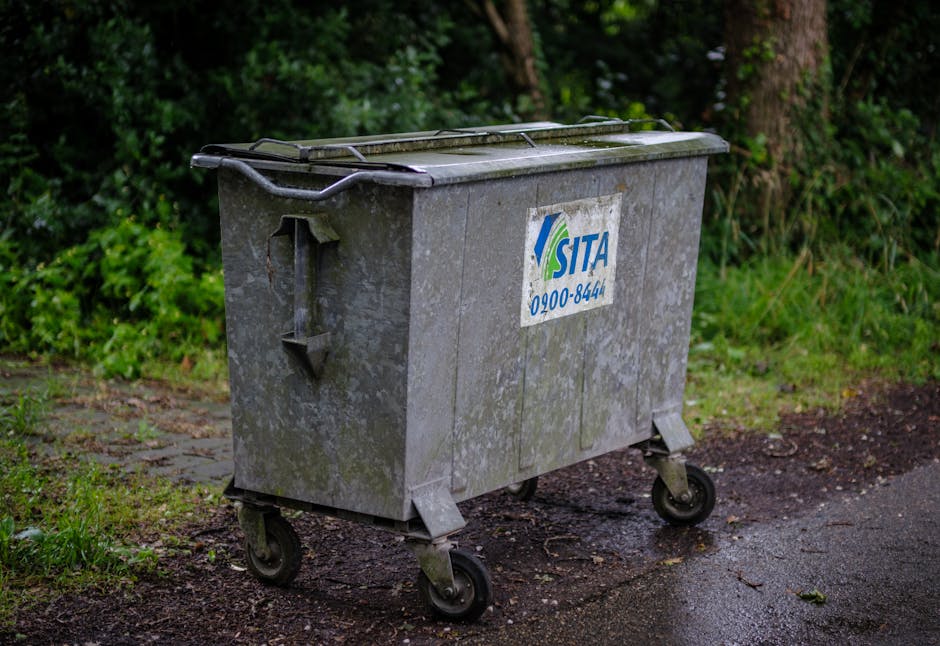
If you are clearing out an old sofa, a broken wardrobe, a mattress that has seen better days, or a pile of heavy cleaning waste after a proper end-of-winter spruce-up, the Bromley Council rules for bulky cleaning waste in Biggin Hill can feel a bit unclear at first. Truth be told, that is fairly normal. Most people only deal with bulky waste now and then, so the process is easy to misunderstand.
This guide breaks everything down in plain English. You will learn how bulky cleaning waste is usually handled, what the council expects, what to watch out for, and how to avoid the annoying little mistakes that lead to delays, extra costs, or a pile of rubbish sat by the gate longer than you'd like. And yes, we will keep it practical.
For households and businesses in Biggin Hill, the key is not just getting rid of waste. It is doing it in a way that is lawful, tidy, safe, and sensible. That matters more than people think.
Why Bromley Council rules for bulky cleaning waste in Biggin Hill Matters
Bulky waste is not the same as your weekly bin. A broken bed frame, a fridge-freezer, old carpets, rolled-up underlay, or heavy sacks of cleaning debris all create different disposal challenges. Some items are awkward, some are heavy, and some need special handling because of safety or environmental rules. In Biggin Hill, following the correct process helps keep pavements clear, avoids neighbour complaints, and reduces the chance of your waste being refused or left behind.
There is also a very practical reason. Bulky items left out in the wrong way can attract fly-tipping, damage public space, and become a nuisance fast. A mattress leaning against a wall might not seem dramatic at 9am, but by evening it can look untidy, block access, and invite trouble. Nobody needs that on a wet Tuesday.
For homes, landlords, letting agents, and local businesses, understanding the rules makes life easier. It gives you a cleaner plan, a better idea of timing, and a clearer sense of what can be collected, what must be separated, and what should go elsewhere.
Key point: the right disposal route is about more than convenience. It is about safety, compliance, and keeping Biggin Hill looking cared for.
How Bromley Council rules for bulky cleaning waste in Biggin Hill Works
While the exact arrangements can change over time, the general pattern for council-led bulky waste services in London boroughs is fairly consistent. You usually need to identify the item type, check what can be accepted, book a collection or use an approved disposal route, and present the items in the correct way. Simple enough in principle. The fiddly bit is the detail.
Bulky cleaning waste often covers items that are too large or awkward for normal household bins. That can include furniture, white goods, carpets, and large household clear-out items. Some waste streams are accepted only if they are clean, dry, and separated. Others may need to be dismantled or handled by a specialist service. If a mattress is soaked, a chair is infested, or a sofa contains mixed materials that cannot be processed as expected, the rules may be stricter.
In practice, most residents need to think about three things:
- What the item is - for example, a sofa, a broken vacuum, carpet offcuts, or bags of cleaning waste.
- How much there is - a single mattress is different from a full house clearance.
- How it is presented - clean, separated, safe to lift, and ready for collection.
That last point gets overlooked a lot. A collection crew is not there to sort through a tangled mountain of loose rubble, old mop heads, half-filled cleaning bottles, and broken shelving. If the waste is mixed and messy, the service may not take it. Fair enough, really.
If you are dealing with regular domestic cleaning waste or a one-off deep clear-out, it can help to pair the bulky item plan with proper interior cleaning afterwards. For example, once a worn sofa is out, a deep clean of the room usually makes the whole job feel finished. Services such as carpet cleaning or upholstery cleaning can be useful if you are refreshing the space after removal.
Key Benefits and Practical Advantages
Following the correct bulky waste process has a few clear upsides, and they are not just bureaucratic niceties.
1. You avoid waste being refused. If the item is presented wrongly or contains prohibited materials, it may not be collected. That means wasted time and, sometimes, extra costs.
2. You reduce safety risks. Heavy or sharp items left loose can injure people, damage property, or cause access problems for neighbours, delivery drivers, or pedestrians.
3. You stay tidier and more organised. Once you know the process, a clear-out becomes less chaotic. The room, the hallway, the garden path - all of it feels more manageable.
4. You support environmental handling. Bulky items and cleaning waste often contain materials that should be reused, recycled, or disposed of separately where possible. That is better for the local area and, frankly, just common sense.
5. You make better decisions about whether council collection or a private route is best. Sometimes the council route is enough. Sometimes you need a faster, more flexible option. Knowing the difference saves hassle.
Expert summary: The most efficient bulky waste job is usually the one planned before the first item moves. A few minutes of checking can save an afternoon of sorting later.
Who This Is For and When It Makes Sense
This topic matters to more people than you might think. In Biggin Hill, bulky cleaning waste comes up in all sorts of everyday situations.
- Homeowners clearing old furniture after redecorating or replacing worn items.
- Tenants preparing for a move, especially where bulky items need to go before checkout day.
- Landlords and letting agents dealing with left-behind furniture or a post-tenancy clear-out.
- Small businesses replacing office seating, shelving, or soft furnishings.
- People doing a deep clean after a home refresh, declutter, or room reset.
It also makes sense when an item is too awkward for standard bin collection, too heavy for a car boot, or too much for one person to lift safely. Let's face it, a damp carpet roll or a cracked wardrobe panel can suddenly become far more annoying than the original mess ever was.
If you are wondering whether to use a council collection or another route, think about timing first. If the item must go quickly, or if you have multiple bulky pieces, a more flexible service may be the smoother option. If you are not in a rush and the item matches the council's accepted categories, the council route may work well.
Businesses with ongoing cleaning or replacement needs may also benefit from planning a broader waste strategy alongside services like commercial carpet cleaning or regular maintenance cleaning. That way, waste removal and cleaning do not become separate headaches every few weeks.
Step-by-Step Guidance
Here is a straightforward way to approach bulky cleaning waste in Biggin Hill without overcomplicating it.
- Sort the waste into clear categories. Separate furniture, textiles, broken household items, and any cleaning waste that might be recyclable or require special handling.
- Check item condition. Is it dry? Clean? Safe to carry? Heavily contaminated or damaged items may need a different disposal method.
- Measure or estimate size. This helps you decide whether one collection is enough and whether items need dismantling.
- Look at local collection rules carefully. Council services often have specific requirements around what can be taken, how many items can be booked, and how they should be placed out.
- Book the right service. If you are using a collection, choose a time that suits access and avoid blocking shared pathways or driveways.
- Prepare items for safe removal. Remove loose contents, tape sharp edges, bag smaller fragments, and keep the area clear.
- Place items exactly where requested. That may be at the kerbside, front boundary, or another agreed location. Do not improvise. It sounds obvious, but people do.
- Follow up quickly if the waste is not collected. If anything changes, confirm the reason before moving items again.
A small but useful tip: if your bulky waste comes from a cleaning project, keep reusable or recyclable items separate from contaminated ones. A bag of old cloths may be fine to bundle neatly, while a broken mop bucket full of residues may need different handling.
Some people like to tackle a room in one go, and that can work. Others do better in stages: sort, clean, remove, finish. Honestly, the staged approach usually feels less overwhelming.
Expert Tips for Better Results
In our experience, the best bulky waste outcomes come from preparation more than effort. You do not need to be super organised. Just a bit organised. That helps a lot.
Tip 1: dismantle before collection day. A wardrobe split into panels is much easier to handle than one bulky lump wedged awkwardly by the gate. Same with bed frames, shelving, and some flat-pack furniture.
Tip 2: keep pathways clear. Collection crews need safe access. Wet leaves, bins, bikes, prams, and garden clutter can get in the way more than you expect. On a rainy Biggin Hill morning, things get slippery fast.
Tip 3: protect surfaces. If items are being moved through the house, use cardboard, old sheets, or sturdy blankets to protect floors. It sounds basic, but it avoids scuffs and chip marks.
Tip 4: separate special waste early. Cleaning chemicals, paint, batteries, and electricals often should not be mixed with bulky household waste. Put them aside and deal with them through the correct channel.
Tip 5: think about the room after the item leaves. This is the part people forget. Once a sofa or carpet has gone, dust, pet hair, and hidden debris often become obvious. A proper follow-up clean can make the room feel new again.
If you are cleaning upholstered furniture before disposal, or trying to save one item instead of replacing it, services like sofa cleaning, mattress cleaning, and pet stain odour removal may help you decide whether the item is really ready to be thrown out. Sometimes it is, sometimes it is not. That extra check can save money.
A final practical point: label piles if more than one person is helping. "Keep," "remove," and "special waste" written on scrap cardboard can stop a lot of confusion. A tiny trick, but a good one.
Common Mistakes to Avoid
People usually run into trouble for one of a handful of reasons. None of them are dramatic, but they are annoying.
- Mixing everything together. Bulky waste, cleaning chemicals, and ordinary rubbish are not always handled the same way.
- Leaving items in the wrong place. If collection instructions say front boundary, do not leave things behind a side gate or halfway up the drive.
- Assuming all bulky items are accepted. Some items need special arrangements, especially if they are contaminated, broken in a particular way, or classed as hazardous.
- Forgetting to measure access. A collection vehicle or removal team may need room to reach the item safely.
- Waiting until the last minute. This is a classic. Suddenly the old mattress has to go tomorrow, and the booking window is not exactly friendly.
- Ignoring local nuisance rules. Items placed unsafely in public view can attract complaints or be treated as fly-tipping if left incorrectly.
One of the easiest errors is thinking "it is only one item." Maybe. But even one item can be refused if it is too heavy, too dirty, or not in the correct state. That is why a quick check matters.
If you are doing a full room clear-out, consider linking the waste plan with a proper clean. A dirty room after furniture removal can look worse before it looks better. Slightly depressing, but true.
Tools, Resources and Recommendations
You do not need much equipment to manage bulky cleaning waste well, but a few items make the process easier and safer.
- Work gloves for grip and hand protection.
- Strong refuse sacks for smaller debris and loose cleaning waste.
- Box cutter or screwdriver for dismantling furniture, used carefully.
- Mask if you are dealing with dusty, mouldy, or irritating material.
- Old blankets or sheets to protect floors and communal areas.
- Marker pen and labels to keep items sorted during a clear-out.
As for resources, the most useful place to start is your own booking confirmation, collection instructions, or service terms. If you need more detail on how pricing, quotes, and service arrangements work for cleaning-related jobs, it can also help to review pricing and quotes. That gives you a better feel for what is included and how scheduling is normally handled.
For customers who want to make the job more sustainable, the company's approach to recycling and sustainability can also be useful reading. Not every bulky item can be reused, of course, but it is still worth separating what can be diverted from general waste.
If you want to understand the company side of things before booking anything, the about us page and health and safety policy are sensible places to check. Small detail, yes - but the kind that builds trust.
Law, Compliance, Standards, or Best Practice
Bulky waste handling in the UK sits within a broader framework of waste duty, safe disposal, and reasonable care. You do not need to become a legal expert to get this right, but you should understand the basics.
First, waste should not be left in a way that causes a hazard, nuisance, or obstruction. That is especially relevant if you are placing items for collection near a pavement, shared access, or communal route. Second, certain materials are treated differently because of safety or environmental concerns. Batteries, electricals, chemicals, and contaminated items can all trigger separate requirements.
Good practice usually means:
- keeping waste in a secure place until collection;
- making sure items are safe to move;
- not putting out prohibited materials with bulky waste;
- using approved collection or disposal routes;
- following any local instructions exactly as given.
There is also a simple common-sense rule: if an item could injure someone or leak material, treat it more carefully. A damp mattress, a broken chemical container, or a piece of furniture with hidden nails should not be handled casually. That is just good practice, and honestly, it saves trouble later.
If you are unsure, check the item against the accepted waste list for the relevant service before moving it. Better to pause for five minutes than guess and have the crew refuse the job.
Options, Methods, or Comparison Table
Most people in Biggin Hill will choose between a council collection, a private removal service, or a self-managed trip to an appropriate disposal route. Each has its place.
| Option | Best for | Pros | Trade-offs |
|---|---|---|---|
| Council bulky waste collection | Single items or small numbers of accepted household bulky items | Simple for residents, usually straightforward for standard items | May have booking rules, item limits, and restrictions on certain materials |
| Private removal service | Urgent jobs, larger clear-outs, awkward access, mixed loads | More flexible, often quicker, better for varied loads | Usually costs more than a basic council booking |
| Self-managed disposal | People with transport, time, and the right facilities available | Can be efficient if the load is already sorted | Heavy lifting, transport logistics, and disposal rules fall on you |
As a rule of thumb, the council route suits straightforward jobs. Private collection suits messy, time-sensitive, or higher-volume situations. Self-managed disposal can work, but only if you have the vehicle, lifting help, and patience. And let's be honest, patience is not always the strongest point on a cluttered Saturday morning.
If you are also cleaning the property as part of the same job, it can make sense to bundle the plan around the removal date. That way, you clean the space once rather than cleaning around the waste and then cleaning again after it has gone. Slightly more organised. Much less aggravating.
Case Study or Real-World Example
Here is a simple real-world scenario from the sort of job people often face in Biggin Hill.
A family is clearing a spare room after years of it becoming a bit of a storage trap. There is an old mattress, a small wardrobe, two damaged chairs, and a stack of cleaning waste from the cupboard at the back of the room - cloths, empty spray bottles, and a broken mop bucket. At first glance, it all looks like "just rubbish." In reality, it needs sorting.
What worked well was this:
- They separated the mattress and furniture from the smaller waste.
- They removed any leftover liquids and set aside the bottles that needed checking.
- They dismantled the wardrobe before collection.
- They cleared the hallway the night before, so nothing blocked access in the morning.
- After removal, they booked a deep clean of the carpet and skirting boards because the room had been hiding dust for years.
The main lesson? Once bulky items leave, the hidden mess often shows itself. Dust in corners, marks on the floor, odd smells from old textiles - that sort of thing. A simple plan for waste removal and follow-up cleaning made the room usable again in a day rather than a week.
That is the sort of tidy result people usually want, even if they do not say it out loud.
Practical Checklist
Use this checklist before you arrange bulky cleaning waste removal in Biggin Hill.
- Have I identified every item that needs to go?
- Have I separated bulky items from ordinary bin waste?
- Are any items hazardous, contaminated, or likely to need special handling?
- Have I checked whether the items are accepted by the collection route I plan to use?
- Do any items need dismantling to be removed safely?
- Is the collection access route clear and safe?
- Have I removed personal belongings, loose screws, cords, and small parts?
- Do I know exactly where the items should be left for collection?
- Have I scheduled enough time for follow-up cleaning after removal?
- Have I checked whether recycling or reuse is possible for any item?
If you can tick most of those off, you are already ahead of the game.
Get a free quote today and see how much you can save.
Conclusion
The Bromley Council rules for bulky cleaning waste in Biggin Hill are really about doing the job properly: checking what is accepted, preparing the waste safely, and choosing the right removal route for the situation. Once you understand that basic structure, the whole process becomes far less stressful.
For a single mattress or a small clear-out, a council-style route may be all you need. For bigger, messier, or more urgent jobs, a more flexible service can save time and reduce the faff. Either way, the best results usually come from sorting first, lifting carefully, and cleaning up once the bulky items are gone.
If you keep the process simple and practical, you will avoid most of the common headaches. And that is usually enough. Sometimes more than enough.
When a cluttered room becomes clear again, it is a surprisingly good feeling. Quiet, clean, and a bit of breathing room - that is the point, really.
Frequently Asked Questions
What counts as bulky cleaning waste in Biggin Hill?
Bulky cleaning waste usually includes large household items that are too big or awkward for normal bins, such as furniture, mattresses, carpets, shelving, and other clear-out items linked to cleaning or room refresh work.
Can I put a sofa or mattress out for normal bin collection?
Usually no. Bulky items normally need a separate collection or another approved disposal route. A sofa or mattress left with ordinary bins is often refused and may cause access or nuisance problems.
Do I need to separate cleaning waste from furniture?
Yes, it is usually wise to separate them. Small cleaning waste, textiles, broken household items, and bulky furniture may need different handling. Separating them makes collection easier and reduces the chance of refusal.
What should I do with cleaning chemicals or paint tins?
These should be checked separately because they may be treated as special or hazardous waste. Do not mix them into a general bulky waste pile without confirming the correct route first.
How do I prepare items for collection?
Remove loose contents, bag smaller debris, dismantle larger items where possible, and place everything exactly where the collection instructions say. Keep pathways clear so the waste can be lifted safely.
Is it better to use council collection or a private service?
It depends on the job. Council collection is often suitable for straightforward items, while private removal tends to work better for larger loads, urgent removals, or awkward access situations.
What happens if my bulky waste is not collected?
If it is not collected, the most common reasons are incorrect placement, restricted materials, or items not being prepared properly. Check the service guidance first, then confirm the reason before moving anything again.
Can I include broken electrical items with bulky waste?
Sometimes electrical items need a separate route, especially if they contain components that should be processed differently. Do not assume they can be bundled in with furniture or general bulky waste.
How can I save money on bulky waste removal?
Sort items carefully, dismantle what you can, and separate recyclable or reusable pieces from general waste. Clear access and good preparation often reduce delays and extra handling.
What if the items are too heavy for me to move safely?
Do not risk it. Heavy lifting can cause injuries quickly, especially with mattresses, wardrobes, and awkward furniture. Use help, proper equipment, or a service that can remove the items safely.
Can bulky waste be collected after a deep clean or renovation?
Yes, and that is often when it comes up. Deep cleans, redecorating, and room resets frequently produce bulky waste such as old furniture, carpet offcuts, and storage clear-outs.
Where can I find more information about service standards and booking details?
It is sensible to check the provider's service pages, pricing information, and terms before booking. That way you know what is included, what is excluded, and how the collection is expected to work.